Find Us at Orlando

Eye Exams in Orlando: Comprehensive Vision & Eye Health Testing
QUICK LINKS
FAQs for Orlando Eye Exams
Most adults should have a comprehensive eye exam every 1–2 years, even if they have no symptoms or vision complaints. If you have diabetes, a family history of glaucoma, or are over age 60, annual exams are strongly recommended. Children and teens should also be examined regularly, as vision problems can affect learning and development. When in doubt, ask your eye doctor in Orlando what schedule is right for your individual health history.
Absolutely. Many patients visit Advanced Optical specifically to refresh their glasses or contact lens prescription. Whether you're experiencing blurry vision, eye strain, or simply know it's been a couple of years since your last update, our team will conduct a full refractive evaluation to determine your most accurate prescription. We recommend pairing every prescription update with a comprehensive eye health exam to ensure nothing is missed.
While an expired prescription may still be close to accurate, using outdated lenses can lead to unnecessary eye strain, headaches, and blurry vision. More importantly, an old prescription doesn't account for changes in your eye health — such as early signs of glaucoma or cataracts — that a current exam would catch. We recommend getting a fresh eye exam in Orlando if your prescription is more than one to two years old.
Yes. Many serious eye conditions — including glaucoma, macular degeneration, and diabetic retinopathy — develop without any early warning signs. By the time you notice symptoms, the condition may have already caused irreversible damage. Regular eye exams are the only reliable way to detect these diseases early, while treatment is most effective. Think of your eye exam the same way you think of an annual physical: a proactive step to stay healthy.
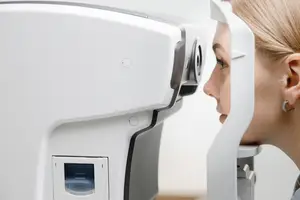
Our Orlando office uses advanced digital eye exam technology to deliver a faster, more precise, and more comfortable experience than traditional methods. During your visit, we'll evaluate your visual acuity, check your eye pressure, examine the front and back of your eyes, and screen for a wide range of conditions including glaucoma, cataracts, and macular degeneration. Digital imaging allows us to capture detailed views of your retina and optic nerve, which we can compare over time to detect subtle changes. The entire exam typically takes 45–60 minutes, and same-day results are reviewed with you at your appointment.
Protect Your Vision with a Comprehensive Eye Exam
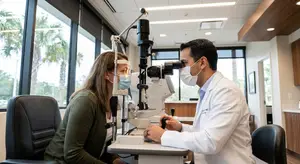
A comprehensive eye exam does more than check your prescription. It helps your eye doctor monitor your vision, evaluate your eye health, and look for early signs of eye conditions before they begin affecting your eyesight.
If you are looking for an eye exam in Orlando, need a prescription update, or simply want to stay on top of your eye health, our team is here to help you understand your vision and recommend the care that is right for you.
Routine Eye Exams Help Protect Your Vision
Many people wonder when to book an eye exam or how often they should have their eyes checked. The answer depends on your age, overall health, and vision needs, but regular eye exams are one of the best ways to protect your eyesight throughout your life.
Even if your vision seems clear, changes inside your eyes can develop gradually without noticeable symptoms. Routine eye exams allow your eye doctor to monitor your vision over time and identify concerns before they become more serious.
Children should have a comprehensive eye exam once every year.
As children grow, their vision can change quickly. Annual eye exams help your eye doctor monitor vision development, update prescriptions when needed, and detect vision problems that may affect reading, learning, sports, and other everyday activities.
Advanced Optical provides comprehensive eye exams for children ages 6 and older. If your child has been squinting, complaining of headaches, struggling to see the classroom board, or having difficulty reading, it may be time to schedule an eye exam.
Adults with healthy eyes and no vision concerns should have a comprehensive eye exam at least every two years.
If you wear prescription glasses or contact lenses, spend long hours using digital devices, have a family history of eye disease, or notice changes in your vision, your eye doctor may recommend an eye exam once every year.
Adults between the ages of 40 and 64 should have a comprehensive eye exam once every year.
Beginning around age 40, it becomes more common for vision to change. Annual eye exams allow your eye doctor to monitor your prescription while screening for age-related eye diseases that often develop without noticeable symptoms.
Adults age 65 and older should have a comprehensive eye exam once every year.
As we age, the risk of glaucoma, cataracts, macular degeneration, and other eye conditions increases. Regular monitoring helps detect changes early and supports long-term eye health.
Patients with Diabetes
Patients with diabetes should have a comprehensive diabetic eye evaluation at least once every year, even if their vision seems normal.
If diabetic eye disease is present or your eye doctor recommends closer monitoring, you may need follow-up examinations every 3 to 6 months to monitor changes and protect your vision.
Patients with High Blood Pressure
Patients with high blood pressure should have a comprehensive eye exam once every year.
High blood pressure can affect the tiny blood vessels in the retina, often without causing noticeable symptoms. Annual eye exams allow your eye doctor to monitor these changes and recommend additional follow-up if necessary.
Patients with Glaucoma or Other Ongoing Eye Conditions
Patients with glaucoma or other ongoing eye conditions may need comprehensive eye exams every 3 to 12 months, depending on their diagnosis and treatment plan.
Your eye doctor will recommend the schedule that best supports your eye health and allows us to monitor changes closely over time.
Signs It's Time to Schedule an Eye Exam
Minor changes in your vision often happen gradually, making them easy to overlook. If everyday activities become more difficult, your eyes may be telling you it is time for an eye exam.
Signs you should schedule an appointment include:
- Blurry vision while reading or driving
- Frequent headaches
- Eye strain after using a computer or digital devices
- Squinting to see clearly
- Difficulty seeing at night
- Holding books or your phone farther away to read
- Glasses that no longer seem as clear as they once did
If you have noticed any of these changes, an updated prescription or additional testing may be needed.
What Can an Eye Exam Detect?
A comprehensive eye exam is far more than just a vision check. At Advanced Optical, our thorough evaluations use advanced digital eye exam technology to assess the full health of your eyes—inside and out. During your exam, we screen for refractive errors such as nearsightedness, farsightedness, and astigmatism, and check for early signs of conditions that can threaten your sight. Glaucoma, often called the "silent thief of sight," is detectable through pressure and optic nerve testing long before you notice any vision loss. Cataracts, macular degeneration, and diabetic retinopathy can also be identified in their earliest, most treatable stages.
Beyond eye-specific diseases, a digital eye exam can also reveal systemic health indicators. Abnormalities in the blood vessels of the retina can point to high blood pressure, diabetes, and even early signs of cardiovascular disease, conditions you may not know you have. Our Advanced Optical team is trained to identify these findings and coordinate with your other healthcare providers when necessary. Whether you're coming in for a routine checkup, a prescription update, or because you've noticed a change in your vision, our Orlando eye exam includes a comprehensive evaluation designed to catch problems early and keep your eyes healthy for years to come.
Frequent Headaches and Eye Strain Should Not Be Ignored
These symptoms may develop when your eyes work harder to focus because your prescription is no longer accurate. Long hours on computers and digital devices can also contribute to visual discomfort.
A comprehensive eye exam helps determine whether your symptoms are related to your vision or if additional evaluation is recommended.
Your Eyes Can Reveal More Than Changes in Vision
These symptoms may develop when your eyes work harder to focus because your prescription is no longer accurate. Long hours on computers and di
Your eye doctor also looks for early signs of conditions that may affect your eye health, including:
- Glaucoma
- Diabetic eye disease
- Macular degeneration
- High blood pressure-related changes
- Retinal conditions
Many of these conditions develop gradually and may not cause symptoms during their early stages, making routine eye exams an important part of protecting your long-term vision.
gital devices can also contribute to visual discomfort.
A comprehensive eye exam helps determine whether your symptoms are related to your vision or if additional evaluation is recommended.
Digital retinal imaging, including Optomap® retinal imaging, allows your eye doctor to examine the back of your eye in greater detail and compare images over time. This helps monitor changes in your eye health and supports early detection of many eye conditions.
If you are searching for a digital eye exam in Orlando, our team is here to provide thorough, personalized care using modern diagnostic technology.
How Often Should Adults Have an Eye Exam?
Regular eye exams become even more important if you:
- Are over 40
- Have diabetes
- Have high blood pressure
- Have a family history of eye disease
- Wear prescription glasses or contact lenses
- Have noticed changes in your vision
Your eye doctor will recommend an exam schedule based on your individual eye health and medical history.